
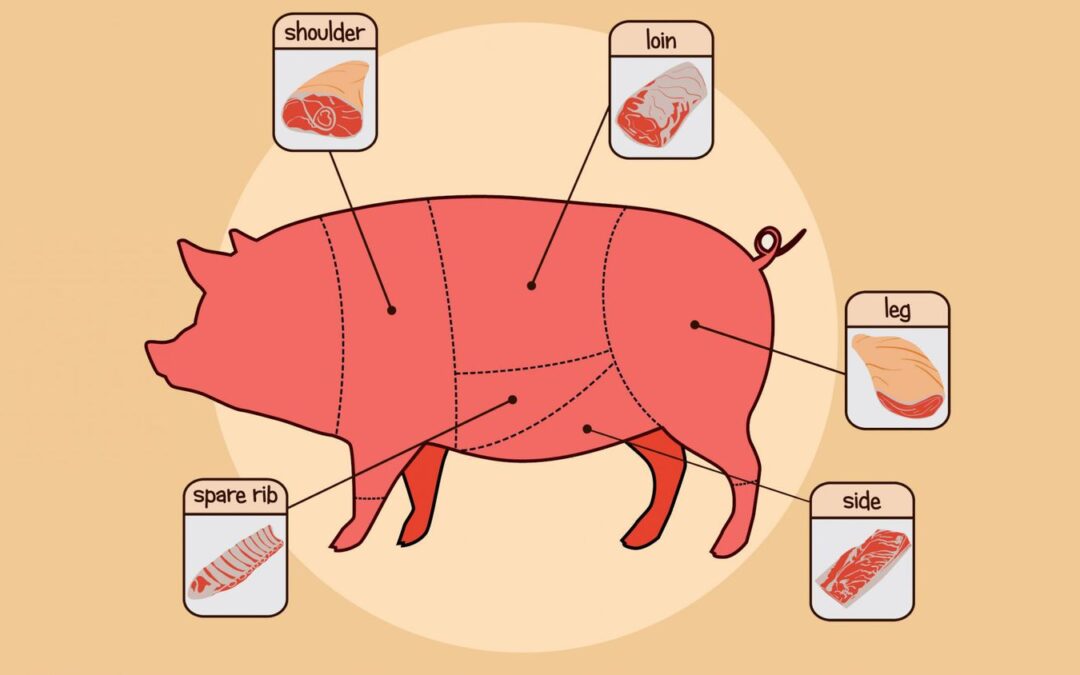
Pork is one of the most widely consumed meats in the world, prized for its rich flavor, versatility in the kitchen, and impressive nutritional profile. Whether you are a home cook, a restaurant owner, or simply someone curious about what makes pork such a popular protein choice, this guide covers everything you need to know — from nutrition facts to health benefits, common cuts, and tips for choosing premium imported pork.
What Makes Pork Nutritionally Valuable
Pork is a complete protein source, meaning it contains all nine essential amino acids the human body cannot produce on its own. A 100-gram serving of cooked pork typically provides around 25–26 grams of protein and roughly 297 calories, depending on the cut and fat content.
Beyond protein, pork stands out for its exceptional vitamin B1 (thiamine) content — it contains more thiamine than beef or lamb, making it especially beneficial for nervous system health and energy metabolism. Pork also supplies:
- Vitamin B6 and B12, essential for red blood cell formation and brain function
- Niacin (B3), which supports metabolism and cell repair
- Zinc and selenium, important for immune function and thyroid health
- Iron and phosphorus, which support healthy blood and strong bones
Key Health Benefits of Eating Pork
- Muscle building and repair: The complete protein in pork, combined with amino acids like creatine and taurine, supports muscle growth, recovery, and athletic performance.
- Energy metabolism: B-complex vitamins in pork help the body convert food into usable energy more efficiently.
- Immune support: Zinc and selenium contribute to a stronger immune response and act as antioxidants that protect cells from damage.
- Bone health: Phosphorus works alongside calcium to maintain strong bones and teeth.
- Anemia prevention: Iron and vitamin B12 support red blood cell production, helping to prevent iron-deficiency anemia.
As with any meat, moderation matters. Nutrition experts generally recommend around 200 grams of pork per day as part of a balanced diet, and choosing leaner cuts helps manage fat intake without sacrificing the protein and micronutrient benefits [web:2][web:8][web:15].
Popular Pork Cuts and Their Best Uses
| Cut | Characteristics | Best Cooking Methods |
|---|---|---|
| Pork belly (samcan) | Rich, fatty, layered with skin | Roasting, braising, grilling |
| Pork loin | Lean, tender | Grilling, roasting, slow-cooking |
| Baby back ribs | Small bones, tender meat | Grilling, smoking, oven-baking |
| Spare ribs | Larger bones, more fat | Braising, BBQ, slow-cooking |
| Pork shoulder | Well-marbled, flavorful | Slow-cooking, pulled pork, stews |
| Pork sausage | Ground, seasoned | Grilling, pan-frying |
Cuts like pork belly with skin-on are especially popular for European and Asian-style slow-cooked dishes, delivering a combination of crispy skin, tender fat, and savory meat.
How to Choose High-Quality Imported Pork
Not all pork is created equal, and sourcing matters — especially when buying imported cuts for restaurants, catering, or home cooking. Here’s what to look for:
- Origin and brand reputation: Established international producers from countries like Denmark, Spain, and the United States typically follow strict animal welfare and food safety standards.
- Cold chain integrity: Premium imported pork should be consistently frozen or chilled from processing through delivery to preserve freshness and texture.
- Cut consistency: Reliable suppliers provide uniform, well-trimmed cuts, which matter for both cooking results and cost efficiency in commercial kitchens.
- Traceability: Trusted distributors can tell you exactly which brand, country, and processing facility your meat comes from.
Cooking Tips for the Best Results
- Always cook pork to a safe internal temperature (about 63°C for whole cuts, with a rest period) to ensure both safety and juiciness.
- Let fattier cuts like pork belly rest before slicing to lock in juices.
- Marinate leaner cuts like loin to prevent dryness during high-heat cooking.
- Pair pork with acidic or aromatic ingredients (vinegar, citrus, garlic, ginger) to balance its richness.
Final Thoughts
Pork remains a nutrient-dense, versatile protein that fits into countless global cuisines — from Asian-style slow-braised belly to Western-style ribs and roasts. Choosing premium, well-sourced imported pork ensures you get the best flavor, texture, and food safety for every dish you prepare.